There’s a difference between a notebook with your logo on it and a notebook someone actually reaches for on a daily basis. In some (unfortunate) cases, one ends up in the junk drawer within a month. The other sits on a desk for years, gets noticed by clients and coworkers, and quietly does its job every single day: reminding someone your brand exists.
That difference isn’t luck. It’s design.
What changes when swag becomes culture
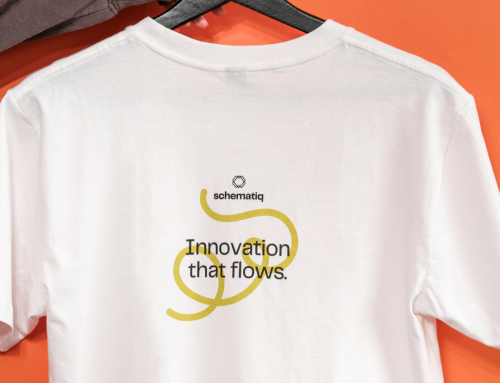
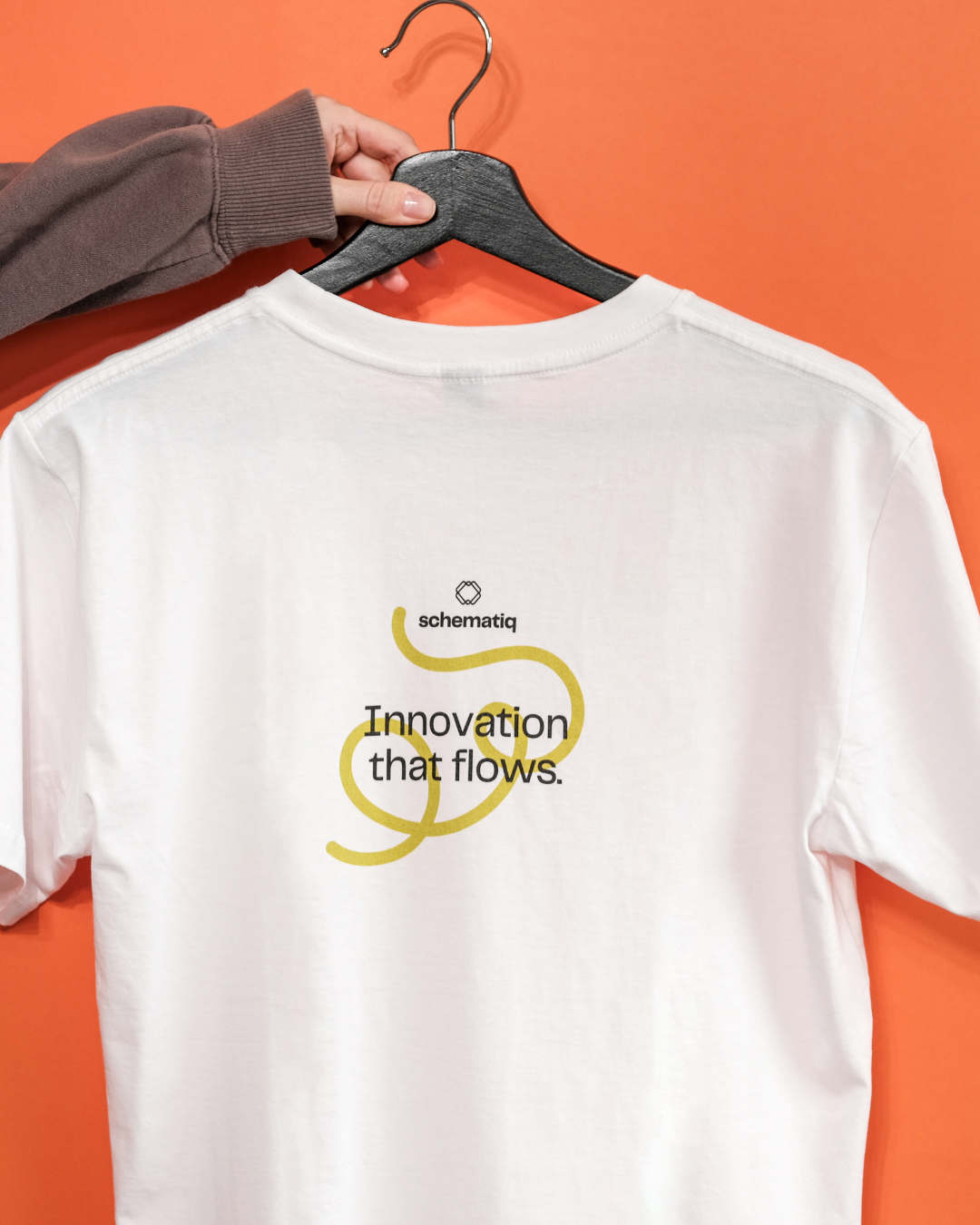
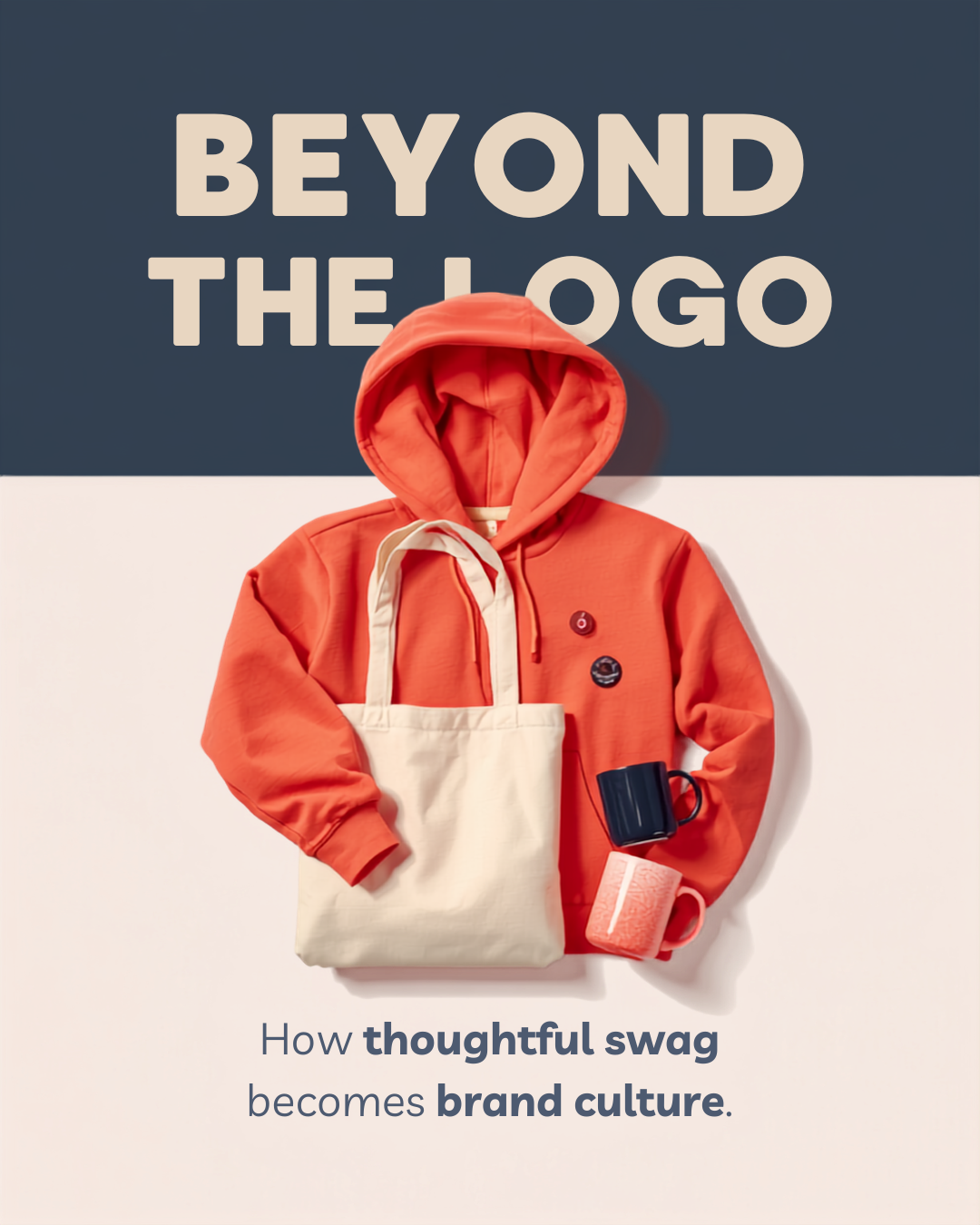
The best branded merchandise doesn’t feel like merchandise. It feels like a gift someone would have bought for themselves anyway. Think about the hoodie that becomes someone’s go-to weekend layer, the water bottle that replaces the one they already owned, the enamel pin that ends up on a backpack next to things they chose themselves.
When that happens, three things shift:
- It gets used, not stored. An item people actually want to wear or use daily puts your brand into someone’s routine, their commute, their desk, their gym bag, instead of a drawer.
- It becomes a signal, not a giveaway. Employees wearing well-made company gear aren’t just repping a logo; they’re telling people they’re proud to be there. Clients displaying a thoughtful gift are telling their own network something about who they work with. That’s earned visibility, not paid media.
- It builds a shared identity. Teams that get genuinely good swag, the kind that shows up at onboarding, at milestones, at events, start to associate that feeling with the company itself. The merch becomes shorthand for “this is a place that pays attention to detail,” which is a much bigger claim than any tagline could make on its own.
A simple framework for auditing your next order
Before your next swag order goes out, run it through three questions:
- Would someone want this if the logo were removed? If the honest answer is no, the item is doing all the work your brand should be doing.
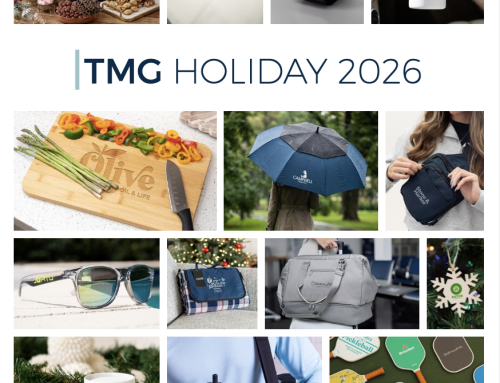
- Does it feel like your brand, or any brand? Generic catalog items with a logo slapped on communicate “we didn’t think about this very hard.” Custom colors, materials, or packaging communicate the opposite.
- Have you planned the moment someone receives it, not just the item itself? Packaging, sequencing, and presentation are part of the product now — not an afterthought you bolt on if there’s budget left.
The takeaway
Swag isn’t inherently disposable, it’s only disposable when it’s treated as an afterthought.
Treated as a real design project, with the same care you’d put into a product launch, branded merchandise stops being a line item and starts being culture: the thing people wear, use, and quietly associate with how your brand makes them feel.
That’s the shift worth making before your next order, not “what can we put our logo on,” but “what would someone actually want to keep.”